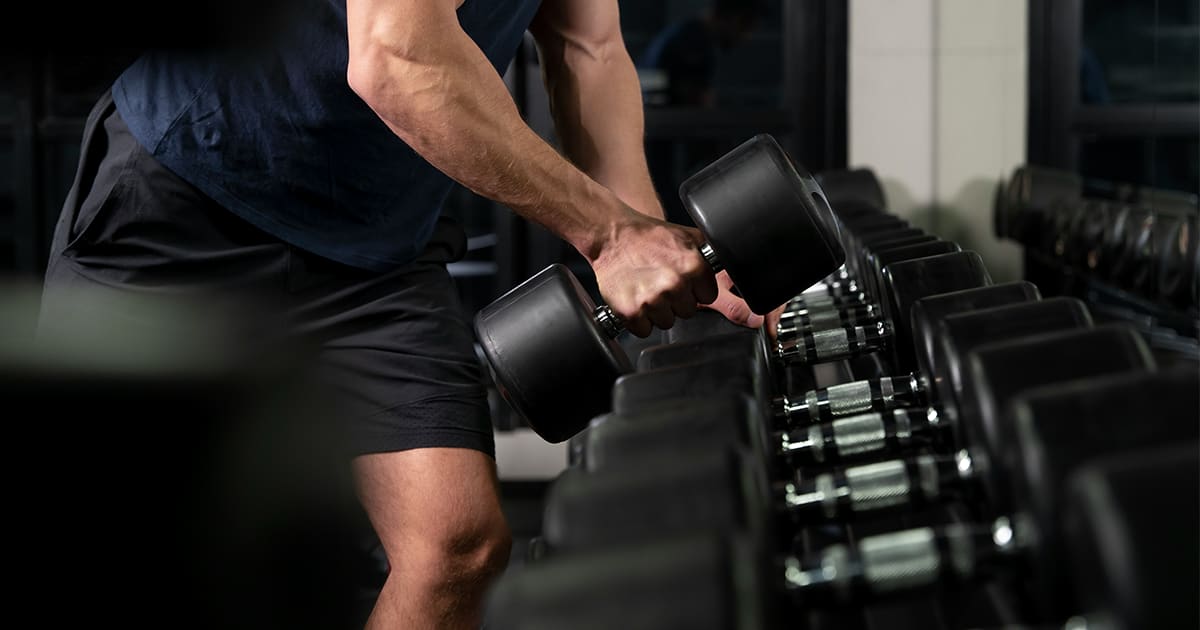
Dumbbells are versatile fitness equipment used for strength training, consisting of a short bar with equal weight on both ends. Anyone who follows a fitness workout routine might have at least once thought of buying dumbbells initially. Dumbbells are, in fact, a great addition to any workout station, be it home or commercial. This weight training equipment is indeed an effective one for various workouts. They are compact and a safer weight option even when you train alone.
However, the dilemma arises when you pick the dumbbells for your workout. With many types of dumbbells available today, beginners need expert help to choose weights for their training. So, here are a few things one needs to take care of when going to buy dumbbells.
Precisely, there are three main types of dumbbells- loadable, fixed, and adjustable. Let’s get a bit more detailed into those.
Loadable dumbbells come with a small handle, two collars and separate plates. It looks like a tinier version of the Olympic bar with weight plates. People with less space in the home gym would love them as they are comfortable. However, most people don’t go for it as they require extra effort to remove the plates and collars. If you are not someone who keeps things organised, these loadable dumbbells can make your workout station a mess! Another important factor, when compared with other dumbbell options, is that loadable dumbbells can be a bit expensive too.
Most fitness freaks and gym owners prefer these types for several reasons. Hex dumbbells have excellent grip and are well-made. Unlike loadable ones, they won’t create clutter in the workout space. For these reasons, hex dumbbells are the most common in every workout space. You might have seen them in your gym or any other gym you visit! Fixed dumbbells are easier to balance and are considered to be the best option for heavy weight lifting. They can be changed easily during workouts and sets.
Adjustable dumbbells have removable weight plates to increase or decrease the weight when required. It is the most economical choice for home gyms. Apart from weights, the length of the bars can also be adjusted.
However, you will need to put effort every time to tailor it according to your needs. Compact, easy to use, economical, and expandable are the notable advantages of adjustable dumbbells compared to other types of dumbbells.
Beginners should always buy dumbbells and weights in such a way that around 20 kg are available for the dumbbell bar. Because even as a beginner, you can do exercises where you can definitely put on more weight. If you can only train with dumbbells, you should also buy two weight plates of 10 and 20 kg.
Advanced strength athletes need more weight plates and, above all, more weights. However, since the capacity of the dumbbells for the discs is limited, it is impossible to put on any number of weights. Therefore, an advanced athlete should rather use heavier weights for the individual weight plates and avoid the weights of 1.25 and 2.5 kg.
When it comes to buying dumbbells, the size you should choose will depend on a few factors, including your fitness level, the specific exercises you plan to do, and your personal fitness goals. For beginners, a good starting weight is typically between five and ten pounds. This will allow you to perform a wide range of exercises with proper form and technique while still providing a good level of resistance.
As you become more experienced and your strength increases, you should increase the weight of your dumbbells gradually. A good rule of thumb is to choose a weight that allows you to perform eight to twelve repetitions of an exercise with good form but without straining or struggling. If you can easily do more than twelve repetitions, then the weight is too light, and you should increase it. On the other hand, if you can't do at least eight repetitions, then the weight is too heavy, and you should decrease it.
It's also important to consider the specific exercises you plan to do with your dumbbells. If you're doing upper body exercises, such as bicep curls or shoulder presses, then a lighter weight may be appropriate. For lower body exercises, such as lunges or squats, you may need a heavier weight. It's always a good idea to consult with a personal trainer or exercise professional to determine the best weight for your individual needs.
In general, it's best to start with a lower weight and gradually increase it as you become stronger and more experienced. This will help you avoid injury and ensure that you're getting the most out of your workouts.
As I mentioned earlier, dumbbells typically consist of a short bar with weighted plates on each end. The shape and material of the bar and plates can vary depending on the type of dumbbell.
The most common type of dumbbell has a straight, cylindrical bar made of metal, such as steel or iron. The weight plates are also typically made of metal and are attached to the bar using collars that can be tightened to secure the plates in place.
Other types of dumbbells may have different-shaped bars, such as hexagonal bars, that prevent the dumbbell from rolling when it is placed on the ground. The weight plates on these dumbbells may also be made of different materials, such as rubber or plastic, to reduce noise and protect floors and equipment.
In general, the shape and material of the dumbbell will not have a significant impact on its effectiveness for strength training and weightlifting exercises. The most important factors to consider when choosing a dumbbell are the weight of the dumbbell and its overall quality and durability.
The type of dumbbells that are right for you will depend on your fitness goals and the types of exercises you plan to do with them. If you're just starting out with strength training, you may want to choose a set of adjustable dumbbells, which allow you to adjust the weight of the dumbbells as you get stronger. This can be a more cost-effective option than purchasing multiple sets of fixed-weight dumbbells.
It's also important to consider the grip size and shape of the dumbbells, as well as the material they are made from. The grip should be comfortable and secure, and the material should be durable and able to withstand regular use.
In general, it's a good idea to consult with a fitness professional or personal trainer to determine the best type of dumbbell for your needs and fitness goals. They can provide guidance on the appropriate weight and type of dumbbells for your individual situation.
When it comes to using dumbbells, there are a few accessories that can be helpful to have on hand. These include a weight bench, a rack or stand to hold the dumbbells, and a workout mat. A weight bench is useful for exercises such as chest press and shoulder press, as it provides a stable surface to support your body and allows for a full range of motion. A rack or stand keeps your dumbbells organised and easily accessible. A workout mat can cushion your joints and protect your floor from damage. Additionally, consider purchasing a set of wrist weights or ankle weights to add resistance to your lower body workouts.
When choosing dumbbells, there are a few things to consider. First, think about the type of exercises you will be doing with the dumbbells. This will help you determine the appropriate weight range for your needs. Next, consider the size and shape of the dumbbells. Traditional dumbbells are typically long and cylindrical, but there are also shorter, hexagonal dumbbells that may be easier to grip and handle. Additionally, some dumbbells have adjustable weights that allow you to change the weight of the dumbbells as needed. This can be a convenient option if you are looking to use the dumbbells for a variety of exercises or if you are just starting and are trying to decide what weight is right for you. Finally, think about your budget and the overall durability of the dumbbells. Higher-quality dumbbells are more expensive, but they are a worthwhile investment if you plan on using them regularly.
You can buy dumbbells at a variety of places, including sporting goods stores, department stores, and online retailers. Some popular online retailers that sell dumbbells include Amazon, Walmart, and Dick's Sporting Goods. You can also check out speciality fitness stores in your area, as they may have a more comprehensive selection of dumbbells to choose from. When shopping for dumbbells, it's a good idea to compare prices and read customer reviews to help you find the best product for your needs and budget.
When buying dumbbells online, there are a few tips to keep in mind to ensure you get the best product for your needs. First, make sure to read the product descriptions carefully and check the weight range and dimensions of the dumbbells to make sure they are suitable for your needs. It can also be helpful to read customer reviews to get an idea of the quality of the product and any potential issues to be aware of. Additionally, make sure to compare prices across different retailers to ensure you are getting the best deal. Finally, be sure to check the return and exchange policies of the retailer in case you need to return or exchange the dumbbells.
When buying dumbbells, there are a few tips to keep in mind to ensure you get the best product for your needs. First, consider the type of exercises you will be doing with the dumbbells and choose a weight range that is appropriate for those exercises. Second, think about the size and shape of the dumbbells and choose a design that is comfortable and easy to grip. Third, consider the overall durability of the dumbbells and choose a product that is made of high-quality materials and is built to last. Finally, compare prices and read customer reviews to help you find the best product for your budget and needs
Dumbbells come in a variety of shapes and sizes to accommodate different hand sizes and grip styles. The most common shape for dumbbells is a long, cylindrical design with smooth, rounded edges. This type of dumbbell is comfortable to grip and is suitable for a wide range of exercises. Another common shape for dumbbells is a hexagonal design, which has flat sides and corners. This shape can be easier to grip and may be less likely to roll away if dropped. There are also dumbbells with contoured or ergonomic handles, which are designed to fit comfortably in hand and reduce strain on the wrists. Finally, some dumbbells have adjustable weights, which allow you to change the weight of the dumbbells as needed. This can be a convenient option if you want to use the dumbbells for a variety of exercises or if you are just starting out and are trying to decide what weight is right for you.
Dumbbells are a popular type of free weight that can provide a number of benefits when it comes to strength training and toning your muscles. Some of the benefits of using dumbbells include the following:
Overall, using dumbbells can be an effective way to enhance your workout routine and improve your physical fitness.
There are a few simple steps you can take to care for your dumbbells and ensure they last for a long time. Here are some tips for caring for your dumbbells:
By following these tips, you can help keep your dumbbells in good condition and ensure they continue to provide a safe and effective workout.
There are a few different options for storing your dumbbells, depending on your space and needs. Here are some standard storage options for dumbbells:
Overall, the best storage option for your dumbbells will depend on your specific needs and the available space in your home gym.
When buying dumbbells, there are a few key things to ensure you get the best product for your needs. Here are some key takeaways from this dumbbell-buying guide:
Keeping these key points in mind, you can make an informed decision and choose the best dumbbells for your fitness goals and needs.
If you are looking to buy other fitness machines or accessories, look no further! Explore our range of fitness products like treadmills, elliptical cross trainers, exercise bikes, rowing machines, home gym, functional trainer, multi-station, power towers, smith machines, dumbbells, foosball tables, pool tables, and table tennis.
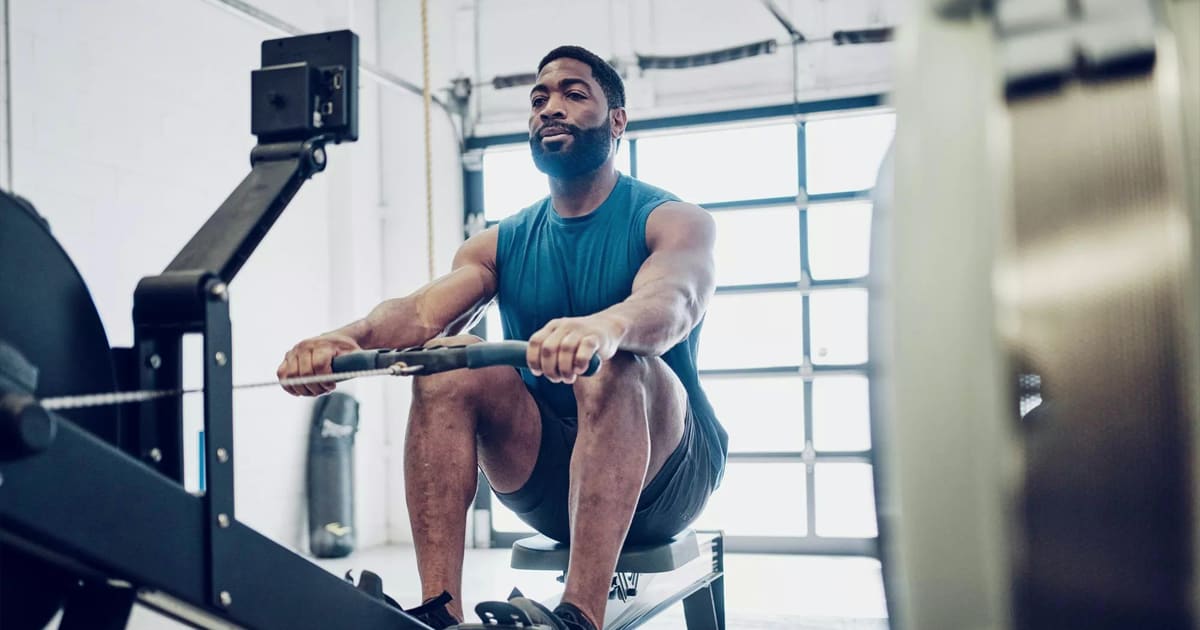
A rowing machine is a piece of exercise equipment that simulates the act of rowing a boat. It typically consists of a sliding seat, a set of handlebars, and a flywheel that provides resistance. The user sits on the sliding seat and uses their legs, back, and arms to pull on the handlebars, causing the seat to slide back and forth. The flywheel provides resistance, making the rowing motion more challenging.
Rowing machine is an essential home gym equipment, if you are about to set up one. However, everything can go wrong with the wrong choice of rowing machine.
Rowing machines can be a great addition to a home gym or fitness routine. They provide a low-impact cardio workout that can help improve endurance, strength, and flexibility. People with joint issues can also consider rowing machines. The rowing motion places less stress on the knees and ankles compared to activities like running.
To use a rowing machine, begin by setting the resistance level to a comfortable starting point. Sit on the sliding seat with your feet on the footrests and your hands grasping the handlebars. Lean back slightly and push off with your legs, using your back and arms to pull the handlebars towards your chest.
As you complete the stroke, allow the seat to slide forward and your arms to extend, then repeat the motion. Keep your back straight and engage your core muscles to maintain proper form and avoid injury.
Rowing machines are adjustable to suit different fitness levels and goals. You can increase the resistance level to make the workout more challenging. Or, you can use interval training techniques to change the intensity of your workouts.
Some rowing machines also have features like a monitor that tracks your distance, time, and calories burned. These features help in tracking progress and setting goals.
Overall, rowing machines are a versatile and effective way to get a full-body workout. It can help improve your fitness. Just be sure to start at a comfortable resistance level and use proper form to avoid injury.
Rowing machines offer several benefits for both physical and mental health. Some of the benefits of using a rowing machine include the following:
The rowing machine's price range might vary depending on the quality and features of the machine. Considering buying rowing machine Abu Dhabi? Here are some general price ranges you might expect to see:
The amount of space you need for a rowing machine or gym accessories, will depend on the size of the machine and the layout of your home or gym. Most rowing machines are quite long, with a typical length of about 8 feet. In addition to the length, you'll also need to allow for enough space to fully extend your arms and legs while using the machine.
As a general rule, you should allow for at least a few feet of space on either side and at the back of the machine. This allows proper movement while rowing.
If you plan to use the machine in a small space, you may want to consider a foldable model. You can easily fold and store the machine when it's not in use. These models are typically smaller and more compact, making them a good option for limited space.
Here are some key features and essential specifications to consider when you are to buy a rowing machine Dubai:
Size and storage: Consider the size of the rowing machine, and whether it will fit in the space you have available for it. Foldable rowing machine models are the best option for those with limited workout space.
Several types of rowing machines are available on the market, each with its unique features and benefits. Here are some popular types of rowing machines:
Overall, the best type of rowing machine for you will depend on your personal preferences and needs. Consider the type of resistance, price, and other features to find the machine that is the best fit for you.
Using a rowing machine is a great way to get a full-body workout and improve cardio fitness. Here are the basic steps for using a rowing machine:
Maintain good form while using a rowing machine to avoid injury and get the most out of your workout. Be sure to keep your core engaged, maintain a straight back, and use your legs to initiate each stroke. Start with a lower resistance level and gradually increase it as you get more comfortable with the movement.
When shopping for a rowing machine, there are a few key factors to consider:
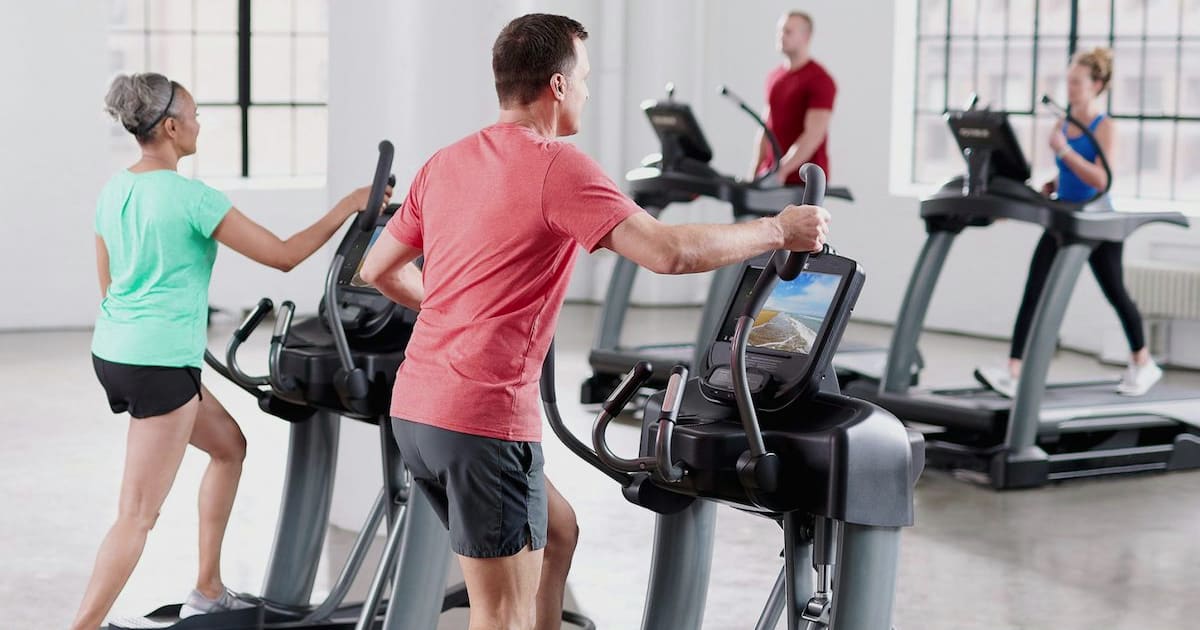
An elliptical cross trainer machine is a cardio equipment that simulates the natural movement of running or walking. It's an excellent low-impact option for those with joint pain or injuries and provides a full-body workout.
However, with so many options on the market, it can be overwhelming to choose the right elliptical for your needs. In this article, we'll discuss some key factors to consider when buying an elliptical machine Dubai.
Planning to buy a cross trainer online or offline? Here are the factors to consider:
The stride length is the distance between the pedals of the elliptical. Choosing an elliptical with a stride length that feels comfortable for your body size and natural stride is essential. Most ellipticals have a stride length between 18-22 inches.
If you're taller or have a longer stride, look for an elliptical with a longer stride length. If you're shorter or have a shorter stride, look for an elliptical with a shorter length.
Resistance is what makes an elliptical workout challenging. The more resistance, the more complex the workout. Look for an elliptical with various resistance levels to accommodate your fitness level and ability to increase as you improve.
Some ellipticals have manual resistance, where you adjust the resistance by turning a knob, while others have electronic resistance, where you can adjust the resistance with the push of a button.
Many ellipticals come with built-in workout programs, such as hill climb, interval training, and weight loss programs. These programs can add variety to your workouts and help you achieve your fitness goals. If you're someone who likes structure in your workout, look for an elliptical with built-in programs.
A heart rate monitor allows you to track your heart rate during a workout and ensure that you are in your target heart rate zone. This is important for those who want to track their progress and ensure they get the most out of their workout. Some ellipticals come with a built-in heart rate monitor, while others require a separate chest strap.
Make sure the elliptical will fit in the space you have available and can support your weight. Measure the space where you plan to put the elliptical, and check the dimensions of the elliptical before you buy. Also, check the weight capacity of the elliptical to make sure it can support your weight.
Ellipticals can range in price from a few hundred to several thousand dollars. Determine your budget and look for a machine that fits within it and also meets your needs. Keep in mind that a more expensive elliptical may have more features, such as built-in programs, a heart rate monitor, or a longer stride length.
Consider the reputation of the brand, read reviews from other customers and check the warranty offered with the elliptical. Researching a company's reputation will give you an idea of the quality of their products and also the level of customer service you can expect. Also, check the warranty offered with the elliptical. A longer warranty is usually a good indication of the quality of the product.
If you plan on using the elliptical in a shared space, pay attention to the noise level before making your purchase. Some ellipticals are louder than others, and you don't want to disturb others in your household or apartment complex.
Some ellipticals come with additional features like built-in speakers, USB charging ports, and Bluetooth connectivity. If you like to listen to music or watch TV while you work out, look for an elliptical with built-in speakers or Bluetooth connectivity.
This will allow you to connect your phone or other device and play music or videos through the elliptical speakers. Additionally, USB charging ports can be a convenient feature to have, as they will allow you to charge your phone or another device while you work out.
Consider the space you have available in your home and whether or not you need the elliptical to be foldable. Folding ellipticals are a great option for those who have limited space, as they can be easily stored away when not in use. However, non-folding ellipticals tend to be more stable and durable.
Ellipticals can be made of different materials and the quality of construction. Look for ellipticals that are made of sturdy and durable materials, such as steel frames. Also, check for the quality of the pedals, handlebars and other parts, as they are the ones that are in constant use.
There are several reasons why someone might consider buying an elliptical machine:
Unlike running or jogging, which can be hard on the joints, an elliptical machine allows you to get a cardiovascular workout without putting stress on your knees, ankles, and hips.
An elliptical machine is an excellent option for those looking for a low-impact, full-body workout with the convenience of working out at home. With a variety of workout programs, heart rate monitoring, and adjustability options, an elliptical machine can help you achieve your fitness goals and also be an investment for long-term use.
An elliptical machine can be a great option for a variety of people, including:
Certain groups of people may not be suitable candidates for using an elliptical machine, including:
It's always important to consult with a medical professional before starting any exercise program, especially if you have any pre-existing medical conditions or injuries.
Ellipticals come in various types, each with unique features and designs. Consider your specific needs and preferences when choosing an elliptical machine. The varieties go from compact, stable, natural, full-body, foldable, standing, to recumbent, hybrid, and smart.
The size of an elliptical machine you need will depend on several factors, including:
When choosing the size of an elliptical machine, it's important to consider your space availability, stride length, weight capacity, user height, storage, and intended use. Considering these factors, you'll be able to choose the right size elliptical for your needs and achieve your fitness goals.
An elliptical machine can be an effective tool for burning belly fat. However, it's important to note that spot reduction is not possible. To burn belly fat, you need to burn calories overall and reduce your overall body fat.
To burn belly fat, you need to create a calorie deficit by burning more calories than you take in. An elliptical machine can be a great tool for burning calories, as it provides a low-impact, full-body workout that can help to increase your heart rate and burn calories.
In addition to cardio exercise, it's important to also include strength training to build muscle increase your metabolism and watch your diet. Eating a healthy, balanced diet that is low in processed foods and added sugars can help to reduce belly fat.
An elliptical machine can be an effective tool for burning calories and losing belly fat, but it should be combined with a healthy diet and strength training to achieve the best results.
In conclusion, an elliptical machine is a great cardio equipment that can provide a low-impact, full-body workout. When buying an elliptical, consider the stride length, resistance levels, built-in programs, heart rate monitor, size and weight capacity, price, brand reputation and warranty, noise level, additional features, folding or non-folding, and quality of construction. By taking the time to consider these factors, you'll be able to choose the right elliptical for your needs and achieve your fitness goals.
If you are looking to buy other fitness machines or accessories, look no further! Explore our range of fitness products like treadmills, elliptical cross trainers, exercise bikes, rowing machines, home gym, functional trainer, multi-station, power towers, smith machines, dumbbells, foosball tables, pool tables, and table tennis.
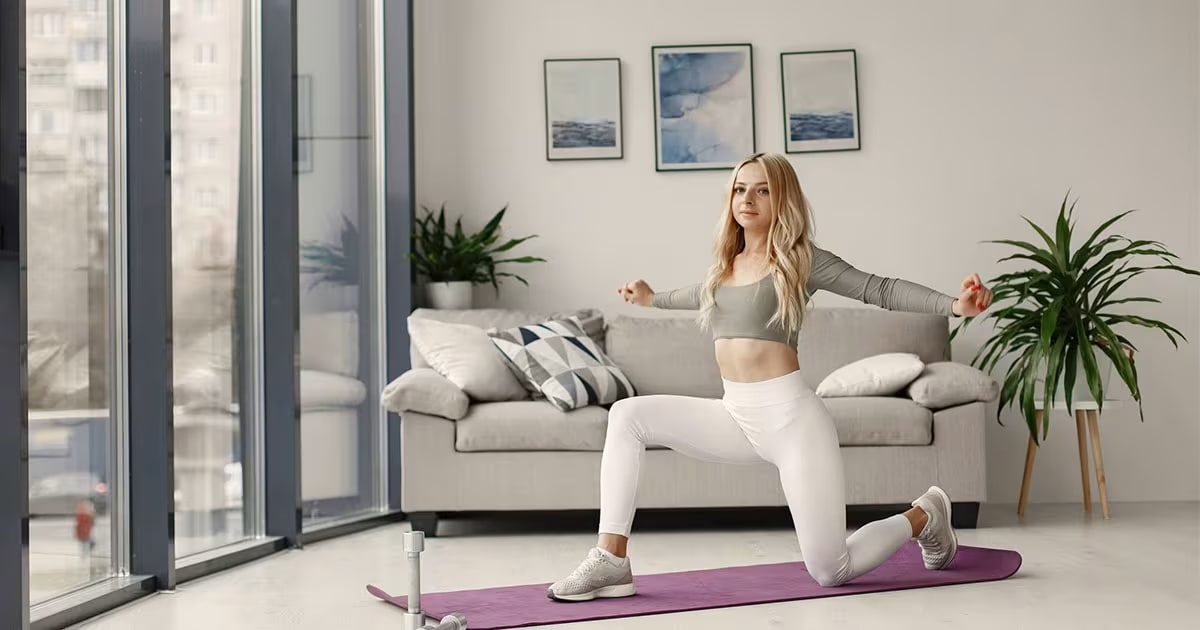
In recent times, the world has witnessed a rapid transformation in the way people live their lives. With technology making life more comfortable, people are now leading sedentary lifestyles, resulting in several health issues.
While the importance of physical activity is well known, people struggle to find the time and motivation to exercise regularly. This is where working out from home comes in as a convenient and cost-effective option to stay fit and healthy.
Whether you want to lose weight, build muscle, improve your overall fitness level, or simply want to stay active, working out from home can help you achieve your fitness goals. However, it can be challenging to know where to start and how to create a workout plan that suits your needs. In this guide, we will take you through the steps to achieve your fitness goals by working out from home.
Working out from home has become an increasingly popular option for people looking to achieve their fitness goals. Not only is it convenient, but it can also be more cost-effective than going to a gym or hiring a personal trainer.
We will delve deeper into the benefits of working out from home and provide a more comprehensive approach to help you achieve your fitness goals.
The first step in achieving your fitness goals is to define what those goals are. Your goals can be anything from losing weight, building muscle, or increasing your overall fitness level. It is important to be specific and realistic when setting your goals. For example, if your goal is to lose weight, you should set a specific target weight and a timeframe within which you want to achieve it.
Once you have set your goals, the next step is identifying the workout style that works best for you. There are several types of workouts that you can do from home, including strength training, cardio, and yoga. Depending on your goals, you may need to incorporate a combination of these workout styles to achieve the desired results.
After identifying your workout style, the next step is to create your workout plan. Your workout plan should be designed to help you achieve your goals and fit into your daily schedule. You should include a warm-up and cool-down routine, along with the main workout. Your workout plan should be progressive, meaning you should gradually increase the intensity and duration of your workouts as you progress.
Working out from home requires some equipment. You do not need a lot of equipment, but having the right equipment can make your workouts more effective. Depending on your workout style, you may need dumbbells, resistance bands, a yoga mat, and a stability ball. If you are on a budget, you can start with basic equipment and gradually add more as you progress.
Finding the right workout space is crucial for your home workout routine. Ideally, you should have a dedicated space for your workouts, such as a spare room or a corner of your living room. Make sure the space is well-ventilated, has adequate lighting, and is free from distractions.
Staying motivated is essential for achieving your fitness goals. Working out from home can be challenging, especially if you do it alone. It is important to find ways to stay motivated and accountable. You can use workout apps, join online fitness communities, or work out with a friend to stay motivated.
Tracking your progress is important for staying motivated and on track to achieving your fitness goals. You can use a fitness tracker or a journal to track your workouts, record your progress, and make adjustments to your workout plan as needed. Tracking your progress can also help you identify areas where you need to improve and celebrate your achievements.
Working out from home is just one part of a healthy lifestyle. To achieve your fitness goals, you need to incorporate healthy habits such as eating a balanced diet, getting enough sleep, and managing stress. These healthy habits can help you stay motivated, energized, and focused on achieving your fitness goals.
Working out from home has several benefits, including:
Staying active is of great importance, especially when you find yourself at home, travelling for work, on vacation, or quarantining. In such situations, it can be challenging to stick to your exercise routine or maintain your fitness goals.
You may have limited access to fitness facilities or find it difficult to adapt to a new workout routine. Additionally, you may miss the social connection and support from your usual group of workout buddies or the motivating instructor in your fitness class.
It's easy to feel like maintaining an exercise routine at home or in a hotel room is a chore rather than something you want to do. And with financial struggles due to job losses or pay cuts, maintaining a gym membership or staying active may seem less of a priority.
However, even a small amount of physical activity can make a significant difference to your mental and physical health. In fact, exercise is one of the most powerful tools we have for staying healthy, both physically and mentally. You don't need to have access to a gym or an expensive health club to reap the benefits of exercise.
Exercise has been shown to ease depression, stress, anxiety, and aid in managing chronic conditions like high blood pressure and diabetes. By finding new ways to stay active and motivated:
Even when your normal routine is disrupted, you can find ways to stay physically active and healthy.
When it comes to exercise, any amount is better than nothing. Even a walk around the block can stretch your legs and clear your head. It may even inspire you to walk further the next day. However, the current recommendation for adults is to aim for at least 150 minutes of moderate-intensity activity each week, or 75 minutes of vigorous-intensity activity, along with two sessions of strength-building activities.
This translates to about 30 minutes of movement, five times per week. You can break it up, so two 15-minute workouts or three 10-minute workouts are just as beneficial. Don't forget to include warm-up and cool-down time as part of your workout, as well as heavier activities around the house or garden.
Moderate-intensity activities involve working, breathing faster, and starting to sweat. You should still be able to talk in full sentences but not able to sing. Moderate-intensity activities consist of brisk walking, cycling on level ground, hiking, weight training, and skateboarding, to name a few examples.
On the other hand, vigorous-intensity activities require you to work much harder, breathe hard, sweat profusely, and be too breathless to talk in full sentences. Jogging, skipping rope, cycling fast or on hills, aerobics, and circuit training are some examples of vigorous-intensity activities.
It's important to find the right balance of moderate and vigorous intensity activities to suit your fitness goals and physical abilities. Remember, consistency is key, and it's always better to do something rather than nothing. So whether it's a short walk, a bike ride, or a weightlifting session, get moving and make exercise a part of your daily routine.
Setting fitness goals is a crucial aspect of working out, especially when it comes to home workouts. Fitness goals provide direction, purpose, and motivation, helping you to stay focused on your fitness journey. They also provide a benchmark for progress and allow you to track your achievements. In this article, we will explore some fitness goal examples for working out at home to help you kick-start your fitness journey.
One of the most popular fitness goals for people who work out at home is weight loss. Losing weight can improve overall health, boost self-esteem, and increase energy levels. A goal to lose a certain amount of weight over a specific period is an excellent way to stay motivated and track progress. For example, a goal to lose ten pounds in three months through consistent cardio workouts and a healthy diet can be an excellent weight loss goal for beginners.
Another popular fitness goal for working out at home is strength training. Strength training exercises help to build and tone muscles, improve posture, and increase overall strength. A goal to perform a certain number of push-ups or squats over a particular period is an excellent way to stay motivated and track progress. For example, a goal to perform ten push-ups per day for a month can be an excellent strength training goal for beginners.
Improving cardio health is another popular fitness goal for those who work out at home. Cardio exercises help to strengthen the heart and lungs, improve circulation, and boost overall endurance. A goal to perform a certain amount of cardio exercise per week, such as running or cycling, is an excellent way to stay motivated and track progress. For example, a goal to run for thirty minutes, three times per week, for a month can be an excellent cardiovascular health goal for beginners.
Improving flexibility is another fitness goal that is essential for overall health and wellness. Flexibility exercises help to improve mobility, prevent injury, and reduce muscle soreness. A goal to perform a certain number of stretching exercises per day or week is an excellent way to stay motivated and track progress. For example, a goal to perform ten minutes of stretching exercises every day for a month can be an excellent flexibility goal for beginners.
Improving body composition is another popular fitness goal for those who work out at home. Body composition refers to the percentage of body fat compared to muscle mass. A goal to reduce body fat and increase muscle mass is an excellent way to stay motivated and track progress. For example, a goal to decrease body fat by two per cent and increase muscle mass by one per cent over three months can be an excellent body composition goal for beginners.
Improving endurance is another popular fitness goal for those who work out at home. Endurance exercises help to improve cardiovascular health, increase stamina, and boost overall energy levels. A goal to perform a certain amount of endurance exercises, such as running or cycling, over a specific period is an excellent way to stay motivated and track progress. For example, a goal to run for thirty minutes non-stop, three times per week, for a month can be an excellent endurance goal for beginners.
Improving balance and coordination is another fitness goal that is essential for overall health and wellness. Balance and coordination exercises help to improve stability, prevent falls, and increase overall agility.
A goal to perform a certain number of balance and coordination exercises per day or week is an excellent way to stay motivated and track progress. For example, a goal to perform ten minutes of balance and coordination exercises daily for a month can be an excellent goal for beginners.
Improving mental health is another important fitness goal for those who work out at home. Exercise has been shown to reduce stress, improve mental health, and boost overall mood. A goal to incorporate mindfulness practices, such as yoga or meditation, into your fitness routine can be an excellent way to improve mental health. For example, a goal to practice ten minutes of meditation every day for a month can be an excellent mental health goal for beginners.
If you have a specific sport or activity that you enjoy, setting a fitness goal that is specific to that activity can be an excellent way to improve your performance. For example, if you enjoy playing tennis, a goal to improve your speed, agility, and endurance through specific tennis drills and exercises can be an excellent sports-specific fitness goal.
Finally, setting a goal to be consistent with your workouts is a great way to stay motivated and track progress. Consistency is key when it comes to achieving fitness goals and setting a goal to work out a certain number of times per week or to never miss a workout, can be an excellent way to build momentum and achieve your desired results.
In conclusion, setting fitness goals for working out at home is essential to stay motivated, focused, and on track with your fitness journey. From weight loss and strength training to mental health and sports-specific goals, there are countless fitness goal examples to choose from. The key is to set realistic, achievable goals that are tailored to your specific needs and preferences. By setting goals and tracking your progress, you can stay accountable and motivated, and ultimately achieve your desired results.
If you are looking to buy other fitness machines or accessories, look no further! Explore our range of fitness products like treadmills, elliptical cross trainers, exercise bikes, rowing machines, home gym, functional trainer, multi-station, power towers, smith machines, dumbbells, foosball tables, pool tables, and table tennis.
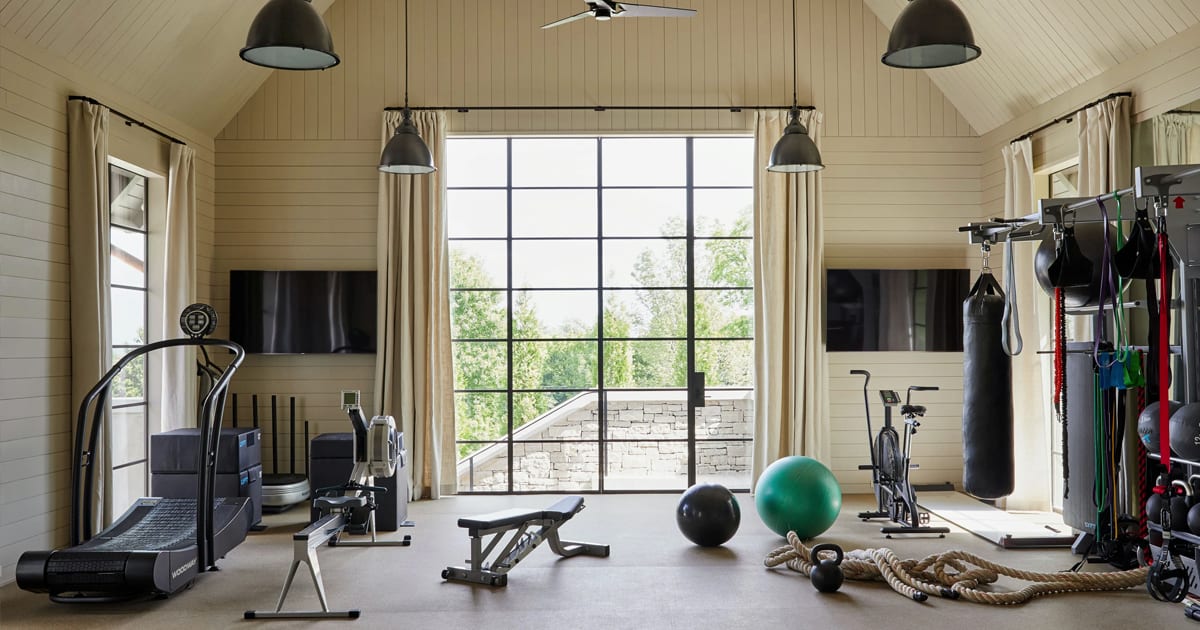
Whether you are an experienced bodybuilder who faithfully frequents the gym every day of the week or someone new to the realm of physical fitness, opting for a do-it-yourself CrossFit garage gym may prove to be the perfect solution for you.
This comprehensive article aims to delve into the intricacies of CrossFit workouts. Shedding light on the myriad benefits they offer, exploring the equipment that can aid in these exercises, and imparting valuable guidance on establishing your own fully equipped gym within the confines of your garage, all from the comfort of your home.
CrossFit constitutes a series of high-intensity exercises, combining functional multi-joint movements meticulously designed to bolster endurance, enhance strength, and foster optimal body composition.
Engaging in CrossFit workouts entails elevating your heart rate and subjecting your muscles to rigorous intervals, with minimal respite between each session.
Renowned for its efficacy in fortifying both physical power and overall fitness, this form of exercise has proven invaluable in the training regimens of military personnel, firefighters, and police officers alike.
CrossFit training encompasses a wide array of health benefits, targeting the ten key fitness domains to maximize exercise performance:
CrossFit combines weightlifting, gymnastics, aerobic exercises, and callisthenics. It lasts 45 minutes to 1 hour, allowing individuals to move at their own pace without pressure. A typical session includes a warm-up, WOD (Workout Of The Day) prescribed by trainers, and Strength/Skill training to challenge the body and master skills like squats, jacks, jump rope, push-ups, lunges, and pull-ups.
While assessing the risks associated with CrossFit, it is worth noting that they are akin to those found in other exercise modalities and sports like powerlifting, gymnastics, or rugby. However, when determining the suitability of CrossFit as a workout regimen for oneself, it is vital to consider individual strength, physical health, and the potential risks involved, such as shoulder or spinal injuries.
For instance, individuals with sensitive knees might need to modify certain running or jumping movements commonly incorporated in CrossFit. Similarly, if one has a preexisting heart or lung condition, it is essential to consult with a healthcare professional to determine whether CrossFit is an appropriate exercise option.
To minimize the risk of injuries while working out, consider the following recommendations to ensure safe and effective exercise:
By following these guidelines, you can help prevent injuries and maintain a safe and sustainable workout routine.
Are you inclined towards home workouts rather than gym visits? If so, it's worth noting that engaging in CrossFit doesn't necessarily require joining a gym. In fact, you can set up your own CrossFit space in your garage and forego the need for a traditional gym environment.
While establishing a DIY gym may require some initial effort and time, once it's set up, you can enjoy regular exercise sessions without having to leave the comfort of your home.
When it comes to CrossFit, there are a variety of useful items and accessories you may consider:
In addition to the aforementioned equipment, there are other accessories that can prove helpful:
Yes, CrossFit can aid in weight loss. However, it's important to note that weight loss primarily occurs when you consistently burn more calories through physical activity than you consume. CrossFit, known for its varied and intense nature, can help create a calorie deficit and contribute to weight loss.
A study published in the International Journal of Sports and Exercise Medicine examined 27 non-competitive CrossFit athletes who were randomly assigned to either follow a low-carb keto diet and engage in 6 weeks of CrossFit training or continue their regular diet while participating in 6 weeks of CrossFit training. The study found that individuals who combined CrossFit with a keto diet experienced significant reductions in weight, body fat percentage, and fat mass.
In summary, engaging in CrossFit, coupled with a balanced and calorie-conscious diet, can be an effective approach to achieving weight loss goals.
A study published in the International Journal of Sports Physical Therapy compared the benefits of functional and traditional strength training and found that there were no significant differences in improvement between the two training protocols for men.
If your goal is to build muscle, it is irrelevant whether you engage in strength training with a barbell in a traditional gym or in a CrossFit box. Muscle growth can be achieved through both approaches.
Moreover, if you have concerns that the conditioning work in CrossFit might hinder your muscle gains, rest assured that it will not. Research conducted at the Department of Health Sciences at Mid Sweden University demonstrated that incorporating cardio into a leg-strengthening program actually led to an increase in muscle size instead of reducing it.
CrossFit gyms are known for their welcoming atmosphere, but it's not uncommon to feel like the CrossFit community has its own unique language. With numerous acronyms and terminology, it can be challenging to keep up. However, fear not! We have compiled a list of common and popular CrossFit terms to help you navigate the conversations and feel like part of the community, regardless of your current appearance or fitness level.
After going through this guide, you'll never have to wonder about the meaning of a WOD again.
If joining a CrossFit gym doesn't seem like the right fit for you, don't worry, you can still train for CrossFit at home with minimal equipment. However, it's important to note that there are risks involved with this option. If you're new to the CrossFit training program, it's recommended to start at a gym or with a trainer to receive proper education and information.
Attending a CrossFit gym, even for a short period, provides an easier way to familiarize yourself with the program, its movements, and proper technique. It's crucial to remember that without proper form, some of the heavier CrossFit exercises can pose a risk of injury. Having someone knowledgeable present is always better to ensure safety and proper guidance.
CrossFit is for everyone, despite their age or gender. From the elderly to athletes, CrossFit is for anyone who is ready to stay committed. Even if you are not a strong person, you can improve your health and strength with constant training.
CrossFit offers a great opportunity to combine cardio and weight training in your workout routine. The best part is that you don't have to go to the gym to achieve this. You can easily set up a CrossFit gym right in your own garage! With a few pieces of equipment and necessary supplies, creating a DIY garage gym is entirely manageable. Hopefully, this guide will inspire you to embark on your CrossFit fitness journey!
If you are looking to buy other fitness machines or accessories, look no further! Explore our range of fitness products like treadmills, elliptical cross trainers, exercise bikes, rowing machines, home gym, functional trainer, multi-station, power towers, smith machines, dumbbells, foosball tables, pool tables, and table tennis.
Weight loss has become one of the most talked about health and fitness goals across the UAE. From busy professionals in Dubai trying to stay active between long work hours to families in Abu Dhabi investing in home fitness equipment, people are constantly searching for effective ways to lose weight and improve their overall health. However, despite the endless fitness advice available online, one major question continues to dominate conversations: does exercise actually help with weight loss, and if so, how?
Many people begin their fitness journey believing that exercise is only about burning calories. While calorie expenditure is certainly important, the impact of exercise goes much deeper than what appears on a treadmill display or smartwatch screen. Exercise changes the way your body functions internally. It improves metabolism, preserves muscle mass, regulates hormones, supports cardiovascular health, and helps the body become more efficient at using stored fat as fuel. Understanding this process is what separates temporary progress from sustainable long term transformation.
In the UAE, maintaining an active lifestyle can be challenging. Long office hours, limited outdoor activity during extreme summer heat, and increasing dependence on sedentary routines have all contributed to growing health concerns. As a result, more people are turning to gyms, home workout setups, treadmills, exercise bikes, and functional training equipment to stay active indoors. This shift has created greater awareness around fitness, but it has also led to confusion. Should you focus on cardio? Is strength training more effective? How often should you exercise? Can you lose weight without working out every day? These are common questions people struggle to answer.
One of the biggest misconceptions about exercise is expecting instant results. Many individuals start working out consistently for a few weeks and become discouraged when the scale does not change dramatically. The reality is that exercise works gradually by improving your body composition and internal health markers over time. Fat loss, muscle preservation, hormonal balance, and metabolic adaptation all contribute to sustainable results that last longer than quick fixes or crash diets.
Exercise should not be viewed as punishment for eating. Instead, it should be seen as a long term investment in your physical and mental well being. A properly structured fitness routine helps improve energy levels, sleep quality, stress management, mobility, confidence, and overall lifestyle quality. These benefits are often just as important as weight loss itself.
At Lifetime Fitness Store, we believe that fitness success comes from combining the right knowledge with the right equipment and consistency. Whether you are building a home gym, starting your first fitness routine, or upgrading your current setup, understanding how exercise truly affects weight loss will help you make smarter decisions and achieve more sustainable results.
Lifetime Fitness Store does not provide medical advice. This content is based on general fitness research, wellness trends, and industry insights. Individual fitness outcomes may vary depending on lifestyle, nutrition, training consistency, and overall health condition.
To create this guide, we evaluated multiple aspects of exercise and weight loss using practical fitness insights and scientific understanding.
Our analysis included:
Weight loss is not influenced by one single factor. It is the result of multiple systems working together, and exercise plays a central role in improving how those systems function over time.
At the foundation of weight loss is the concept of a calorie deficit. This simply means your body burns more calories than it consumes. Exercise contributes directly to this process by increasing the amount of energy your body uses throughout the day.
For example, activities like walking, jogging, cycling, rowing, and strength training all require energy. The more consistently you move, the more calories your body burns. However, one important thing many people misunderstand is that exercise alone is rarely enough to drive major weight loss if nutrition is ignored.
In the UAE, where food delivery culture and calorie dense meals are highly accessible, it becomes even more important to combine exercise with proper eating habits. A single high calorie meal can easily offset the calories burned during a workout. This is why exercise should be viewed as part of a complete lifestyle system rather than a standalone solution.
The good news is that exercise makes maintaining a calorie deficit easier and more sustainable. Instead of relying on extreme dieting, your body gradually adapts to a healthier routine where movement becomes a natural part of daily life.
Your metabolism determines how efficiently your body burns calories throughout the day. Exercise improves this process significantly, especially when strength training is included in your routine.
When you build muscle through resistance exercises, your body requires more energy even while resting. Muscle tissue burns more calories than fat tissue, meaning your resting metabolic rate naturally increases as you gain lean muscle mass.
This is especially beneficial for busy UAE residents who may not have hours available for exercise every day. Even outside workout hours, a stronger metabolism helps the body continue using energy more efficiently.
Another important factor is post exercise calorie burn. After intense workouts, the body continues consuming oxygen and energy to recover. This process, often called the after burn effect, increases calorie expenditure even after training has ended.
One of the biggest risks during weight loss is losing muscle alongside fat. Crash diets and extremely low calorie eating plans often cause the body to break down muscle tissue for energy. This slows metabolism and negatively impacts body composition.
Exercise, particularly strength training, helps prevent this problem. Resistance exercises send signals to the body that muscle tissue should be maintained while fat stores are used for energy instead.
This is why two people can lose the same amount of weight but look completely different physically. Someone who exercises regularly often appears leaner, stronger, and healthier because they preserve muscle while reducing body fat percentage.
In the UAE fitness market, strength training has become increasingly popular not only for aesthetics but also for long term health and mobility. Functional trainers, dumbbells, home gyms, and smith machines are now commonly used in home fitness spaces because of their ability to support muscle development and overall conditioning.
Over time, consistent exercise trains the body to use fat more efficiently as an energy source. This adaptation is important for long term weight management and endurance improvement.
Steady state cardio activities such as treadmill walking, cycling, rowing, and elliptical workouts improve the body’s aerobic capacity. As this improves, your body becomes better at utilizing stored fat during both exercise and recovery.
High intensity training also contributes to fat loss by increasing overall calorie expenditure and metabolic demand. Combining cardio and resistance training often produces the best long term results because each method supports the body differently.
For individuals in the UAE who prefer indoor fitness due to climate conditions, investing in versatile equipment such as treadmills, exercise bikes, and rowing machines can help maintain consistent fat burning activity year round.
Exercise affects hormones that influence hunger, satiety, stress, and fat storage. This is one of the most overlooked aspects of fitness and weight management.
Regular physical activity helps improve insulin sensitivity, allowing the body to process carbohydrates more efficiently. It also supports hormonal balance related to hunger and fullness, helping reduce cravings and emotional eating behaviors.
Stress management is another important factor. High stress levels often lead to overeating and poor food choices. Exercise naturally supports mental wellness by reducing stress hormones and improving mood.
For many people living in high pressure work environments across Dubai and Abu Dhabi, exercise becomes more than just a physical activity. It becomes a mental reset that supports healthier daily habits overall.
Cardio remains one of the most effective forms of calorie burning exercise. Walking, jogging, cycling, rowing, and treadmill workouts improve heart health while increasing daily energy expenditure. Cardio is especially beneficial for beginners because it is accessible and easy to start.
Strength training helps build muscle, improve metabolism, and enhance overall body composition. It is essential for maintaining long term fat loss and improving strength. Popular strength equipment includes dumbbells, smith machines, home gyms, and multi station systems.
High intensity interval training combines short bursts of intense effort with brief recovery periods. These workouts are time efficient and effective for calorie burning.They are particularly useful for busy professionals who want shorter but challenging workouts.
Functional workouts focus on movement patterns used in everyday life. They improve mobility, balance, coordination, and athletic conditioning while supporting calorie expenditure.
Exercise affects nearly every system within the body. Cardiovascular training strengthens the heart and improves oxygen circulation. Resistance training strengthens muscles, joints, and connective tissues. Mobility work improves flexibility and movement quality.
Over time, these adaptations create a body that functions more efficiently. Daily activities become easier, energy levels improve, and the body becomes more resistant to fatigue.
Exercise also improves sleep quality, which directly affects weight management. Poor sleep often disrupts hormones related to hunger and recovery, making fat loss more difficult. Regular movement helps regulate sleep cycles and improve recovery quality.
Mental health improvements are equally important. Exercise has been shown to support mood, reduce anxiety, and improve confidence. These factors contribute to consistency, which is one of the most important elements of successful weight loss.
The best workout plan is not necessarily the most intense one. It is the one you can follow consistently over time.
Beginners should focus on simple routines that build consistency first. Walking, basic strength exercises, and low impact cardio are excellent starting points.
Intermediate users can gradually combine cardio and resistance training for balanced fitness improvement. Advanced users may incorporate structured performance programs and progressive overload training.
One major mistake people make is choosing unrealistic plans that are difficult to maintain. Sustainability matters more than perfection. Even moderate exercise performed consistently will produce better long term results than short periods of extreme training.
Choosing the right equipment also plays a role. Home fitness solutions are becoming increasingly popular across the UAE because they eliminate travel time and improve workout convenience.
The UAE fitness industry has evolved significantly in recent years. Home gyms have become more common as people prioritize convenience and long term wellness.
There is also growing demand for premium fitness equipment that combines performance, durability, and modern design. Smart treadmills, functional trainers, rowing machines, and compact multi station systems are becoming increasingly popular among UAE consumers.
Hybrid fitness routines are another major trend. Many individuals now combine strength training, cardio, recovery work, and functional movement instead of focusing on only one style of exercise.
This shift reflects a broader understanding that sustainable fitness requires balance, adaptability, and consistency rather than extreme approaches.
PROS AND CONS OF EXERCISE FOR WEIGHT LOSS
Exercise remains one of the most powerful tools for improving health, managing body weight, and supporting long term wellness. Its impact extends far beyond simple calorie burning. Regular movement improves metabolism, preserves muscle, regulates hormones, supports mental health, and helps create sustainable lifestyle habits that lead to lasting progress.
For people across the UAE, where modern lifestyles often limit physical activity, exercise provides an effective way to regain control over health and fitness. Whether through treadmill workouts, strength training, functional fitness, or home gym routines, consistency is what ultimately drives meaningful results.
The key is understanding that exercise is not a short term solution. It is a long term investment in your physical and mental well being. When approached correctly, it becomes a sustainable lifestyle habit that supports both appearance and overall quality of life.
At Lifetime Fitness Store, we believe the right fitness equipment and knowledge can help individuals build healthier, stronger lifestyles with confidence and consistency.
Disclaimer: Lifetime Fitness Store is sharing this content for informational purposes only. Results may vary based on individual lifestyle and health conditions.
If you are looking to buy other fitness machines or accessories, look no further! Explore our range of fitness products like treadmills, elliptical cross trainers, exercise bikes, rowing machines, home gym, functional trainer, multi-station, power towers, smith machines, dumbbells, foosball tables, pool tables, and table tennis.
Fitness in the UAE has evolved far beyond traditional gym memberships. Today, more people across Dubai, Abu Dhabi, Sharjah, and the wider UAE are choosing to build healthier lifestyles directly from their homes. Whether it is because of busy work schedules, traffic, extreme summer temperatures, or the need for convenience, home fitness is becoming one of the fastest-growing lifestyle trends in the region.
Modern lifestyles in the UAE move fast. Professionals balance demanding careers, long commutes, social commitments, and family responsibilities every single day. In such a fast-paced environment, consistency becomes the biggest challenge in fitness. That is exactly why home workouts are becoming the smarter solution. Instead of spending extra time driving to a gym, waiting for machines, or adjusting schedules around crowded peak hours, people are now bringing premium fitness experiences into their own spaces.
Home fitness is no longer about basic treadmills in spare rooms. The UAE market now offers advanced cardio systems, commercial-grade strength equipment, smart fitness technology, recovery tools, and luxury wellness setups that can completely transform homes into personal fitness spaces. From compact apartment-friendly setups to full-scale villa gyms, people are investing in long-term wellness from the comfort of home.
Another major factor driving this trend in the UAE is climate. During peak summer months, outdoor activities can become challenging because of the heat. Home fitness creates a comfortable indoor environment where people can stay consistent regardless of weather conditions. Whether it is an early morning cardio session or a late-night strength workout, training at home offers unmatched flexibility.
The rise of premium residential living across the UAE has also influenced fitness culture. Many homeowners and villa residents now prioritize wellness-focused living spaces. Dedicated home gyms are becoming as important as entertainment rooms or home offices. Fitness is no longer viewed as an occasional activity. It has become part of a modern luxury lifestyle.
At Lifetime Fitness Store, the focus has always been on helping people create stronger, healthier lifestyles through premium fitness solutions. With access to 300+ global fitness brands and thousands of products across cardio, strength, functional training, recovery, and wellness categories, home fitness in the UAE has become more accessible than ever before.
The UAE fitness industry has witnessed a massive transformation over the last few years. While commercial gyms continue to grow, home fitness has emerged as one of the strongest lifestyle trends in the country.
Several factors are contributing to this growth:
People are realizing that results do not depend on workout location. What truly matters is consistency, discipline, and access to quality equipment.
One of the biggest challenges in UAE cities is traffic during peak hours. After long workdays, commuting to a gym can feel exhausting.
Home fitness completely removes that barrier.
People can train:
This flexibility helps users stay consistent throughout the year.
Outdoor fitness during UAE summers can become extremely difficult.
Home gyms provide:
This makes fitness easier to maintain even during the hottest months.
In the UAE, fitness is increasingly becoming part of luxury living.
Modern home gyms now include:
Fitness spaces are now designed to match modern luxury homes.
Many people prefer training in a more private environment.
Home fitness allows users to:
This is especially valuable for beginners starting their fitness journey.
Treadmills remain one of the most popular home cardio machines in the UAE because they support indoor walking, running, incline training, and fat-burning workouts.
Modern treadmills now feature:
They are ideal for maintaining daily activity levels indoors.
Exercise bikes are perfect for UAE apartments and villas because they offer low-impact cardio without requiring large workout spaces.
Popular options include:
Benefits include:
Ellipticals provide full-body cardio training while reducing stress on knees and ankles.
This makes them highly popular among:
Home multi gyms are becoming increasingly popular in UAE villas because they combine multiple workout stations into one compact setup.
Users can train:
These systems are ideal for complete home strength training.
Functional fitness continues to grow rapidly across the UAE.
Popular equipment includes:
These tools support:
For apartment living:
This creates an effective setup without using excessive space.
Villa spaces allow more advanced fitness environments.
Popular additions include:
Many villa owners now create complete luxury wellness rooms.
Technology is transforming fitness experiences across the UAE.
Modern equipment now offers:
This creates highly engaging and motivating workouts directly from home.
One of the biggest advantages of home fitness is routine consistency.
When equipment is available at home:
This consistency is what ultimately delivers real transformation.
Building a Wellness Lifestyle at Home
Fitness today is not just about workouts. It is about creating a healthier lifestyle overall.
Many UAE homeowners now integrate:
The goal is to create an environment that encourages healthier daily habits.
Recovery is now a major part of modern fitness lifestyles.
Popular recovery products include:
Proper recovery improves:
Users increasingly prefer machines with:
People are combining:
Into one complete home setup.
Lifetime Fitness Store continues to help UAE residents create premium home fitness environments with world-class equipment and professional consultation services.
Key advantages include:
From compact apartment setups to luxury villa gyms, home fitness solutions are now more accessible than ever.
The future of fitness in the UAE is becoming more flexible, personalized, and lifestyle-driven than ever before. Home fitness is no longer just an alternative to commercial gyms. It has become a smarter and more sustainable way for people to stay active, healthy, and consistent.
Whether it is a compact apartment setup or a luxury villa gym, creating a dedicated fitness environment at home allows people to train on their own schedule, maintain consistency throughout the year, and build healthier long-term habits.
As modern UAE lifestyles continue to evolve, convenience and wellness are becoming increasingly connected. Home fitness brings both together perfectly. It removes barriers, saves time, and helps people stay committed to their goals without compromising comfort or flexibility.
Lifetime Fitness Store continues to support this growing fitness movement across the UAE by helping people create premium wellness spaces with world-class fitness equipment and expert solutions designed for modern living.
If you are looking to buy other fitness machines or accessories, look no further! Explore our range of fitness products like treadmills, elliptical cross trainers, exercise bikes, rowing machines, home gym, functional trainer, multi-station, power towers, smith machines, dumbbells, foosball tables, pool tables, and table tennis.
Gear advice, order updates, support
or a quick callback - one tap away